Explore practical articles from our team on spine, hip and knee, shoulder rehabilitation, and data-driven treatment progression.
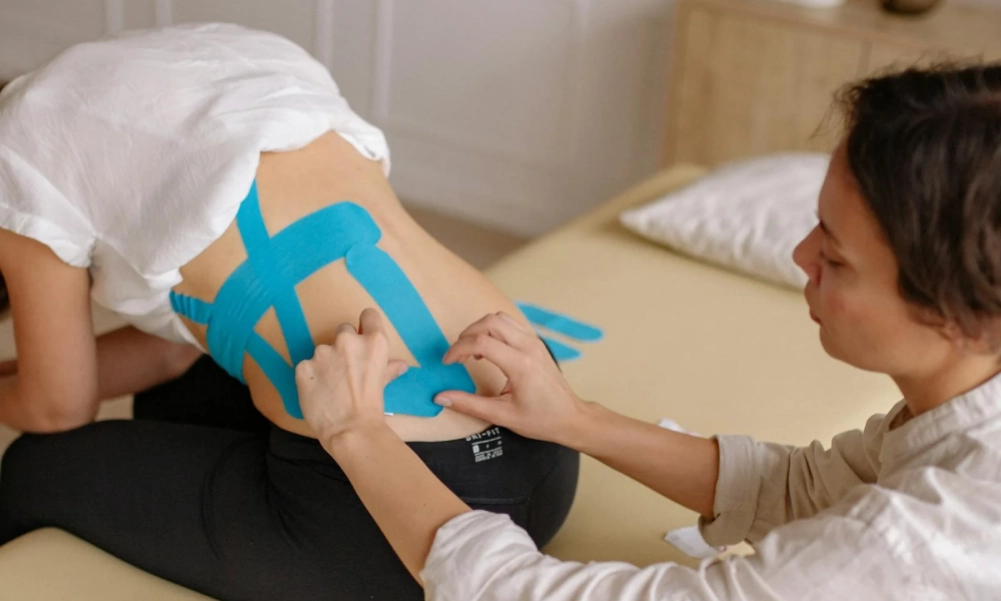
Most shoulder cases do not fail because of one exercise choice. They fail when treatment has no clear stages, no measurable checkpoints, and no progression criteria. A structured program changes that by linking each phase to objective goals.
1. Start With Baseline Clarity
Initial assessment should define pain behavior, active and passive range limits, strength deficits, and movement compensation patterns. Once baseline data is recorded, therapist and patient can agree on realistic short-term outcomes.
2. Progress In Controlled Steps
Early phase work prioritizes pain control, confidence in movement, and low-load activation. Mid-phase emphasizes scapular control, rotator cuff coordination, and progressive loading. Late phase focuses on task-specific strength and return-to-function.
3. Shift From Symptom Relief To Prevention
Long-term success depends on maintenance programming. Patients who continue periodic loading, mobility review, and movement quality checks are less likely to return with recurrent pain episodes.
Structured shoulder rehabilitation is not only about reducing pain. It is about building durable function that supports work, sport, and daily life with lower relapse risk.
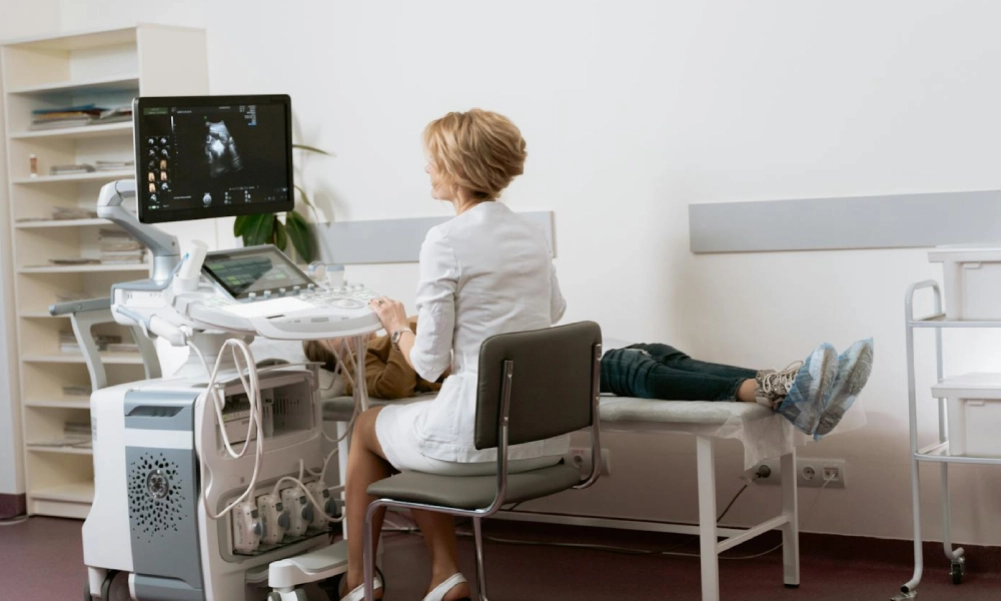
For many stenosis patients, the main question is whether to proceed directly to surgery or attempt structured exercise therapy first. The answer depends on symptom severity, neurological signs, and functional limitation.
1. What Conservative Care Can Achieve
With consistent protocol-based exercise, many patients improve walking tolerance, lower-limb strength, and confidence in daily activity. Treatment quality improves when progression is monitored with measurable strength and mobility checkpoints.
2. When Surgical Referral Is Appropriate
Surgery may be appropriate for severe neurological compromise, persistent disabling symptoms, or failure of properly delivered conservative care. Clear criteria and referral timing matter more than a one-size-fits-all approach.
3. Shared Decision-Making Works Best
Patients benefit most when they understand both pathways, expected timelines, and realistic outcomes. Combining evidence, clinical findings, and patient goals leads to stronger treatment adherence and safer decisions.
Conservative exercise therapy should not be viewed as delay. In suitable cases, it is a meaningful first-line strategy that can improve outcomes regardless of whether surgery is eventually required.

Rehabilitation delivery is shifting from generalized exercise advice to measurable, condition-focused pathways. Clinics that integrate assessment, progression logic, and data review are seeing stronger patient consistency and clearer outcomes.
1. From Passive Care To Active Programs
Patient education now emphasizes movement confidence, controlled loading, and self-management. This change supports longer-term function instead of short-lived symptom-only relief.
2. Objective Metrics Are Becoming Standard
Strength curves, mobility data, and session adherence are increasingly used to guide progression. Quantified checkpoints reduce guesswork and improve therapist communication across treatment phases.
3. Digital Workflow Supports Better Continuity
Software-assisted records and program management help teams coordinate care, track trends, and identify plateaus earlier. The result is more personalized progression and fewer treatment dropouts.
In 2026, clinics that combine clinical reasoning with structured data are better positioned to deliver consistent, scalable, and patient-centered musculoskeletal care.
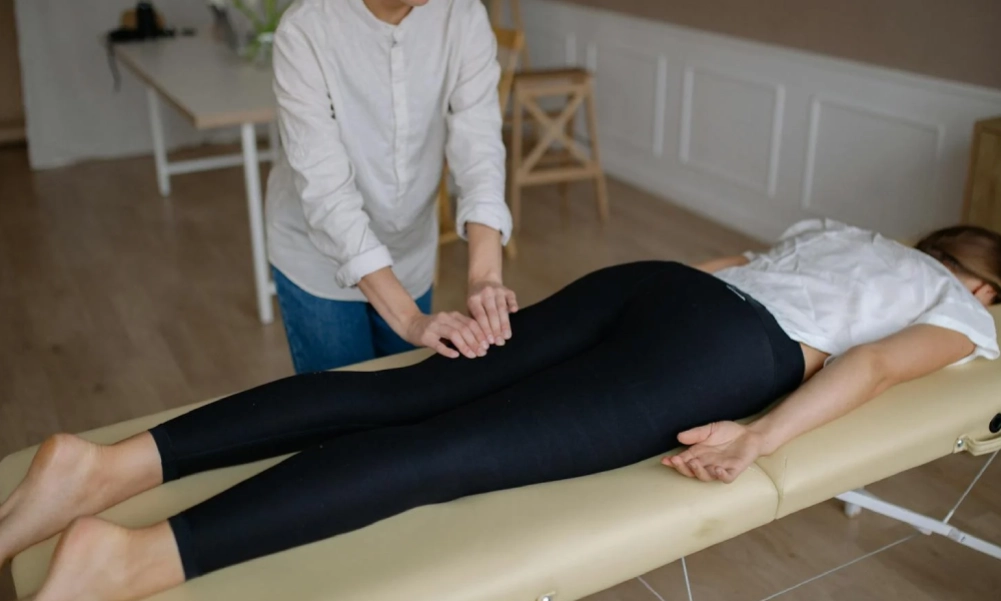
Frozen shoulder recovery improves when care is aligned to stage. The same loading strategy does not fit pain-dominant and stiffness-dominant phases, and mistimed progression can delay results.
1. Pain-Dominant Phase
Primary focus should be symptom modulation, confidence-building movement, and gentle range restoration. High-intensity loading too early can increase guarding and reduce adherence.
2. Stiffness-Dominant Phase
As pain settles, progression shifts toward mobility gains and controlled strengthening. Scapular mechanics, thoracic movement, and capsule-related restrictions should be addressed together for better shoulder function.
3. Return-To-Function Phase
Late phase work targets overhead tolerance, endurance, and task-specific control. The goal is not only range gain, but confident use of the shoulder in work and daily activity.
Patients recover faster when program intensity matches tissue irritability and when progression decisions are guided by consistent objective checks. Posted 5 months ago