Most shoulder cases do not fail because of one exercise choice. They fail when treatment has no clear stages, no measurable checkpoints, and no progression criteria. A structured program changes that by linking each phase to objective goals.
1. Start With Baseline Clarity
Initial assessment should define pain behavior, active and passive range limits, strength deficits, and movement compensation patterns. Once baseline data is recorded, therapist and patient can agree on realistic short-term outcomes.
2. Progress In Controlled Steps
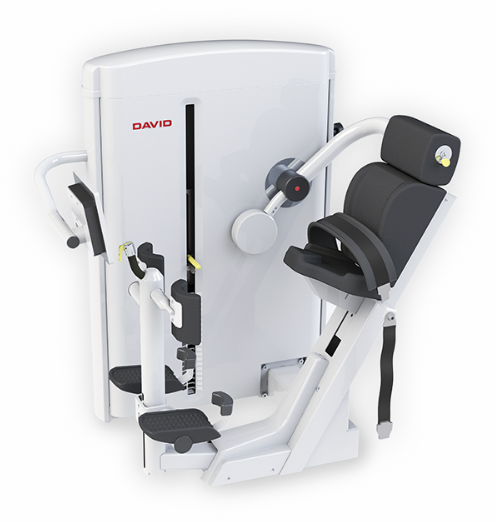
Early phase work prioritizes pain control, confidence in movement, and low-load activation. Mid-phase emphasizes scapular control, rotator cuff coordination, and progressive loading. Late phase focuses on task-specific strength and return-to-function.
3. Shift From Symptom Relief To Prevention
Long-term success depends on maintenance programming. Patients who continue periodic loading, mobility review, and movement quality checks are less likely to return with recurrent pain episodes.
Structured shoulder rehabilitation is not only about reducing pain. It is about building durable function that supports work, sport, and daily life with lower relapse risk.