Frozen Shoulder: Staged Rehabilitation Roadmap For Better Recoveryy
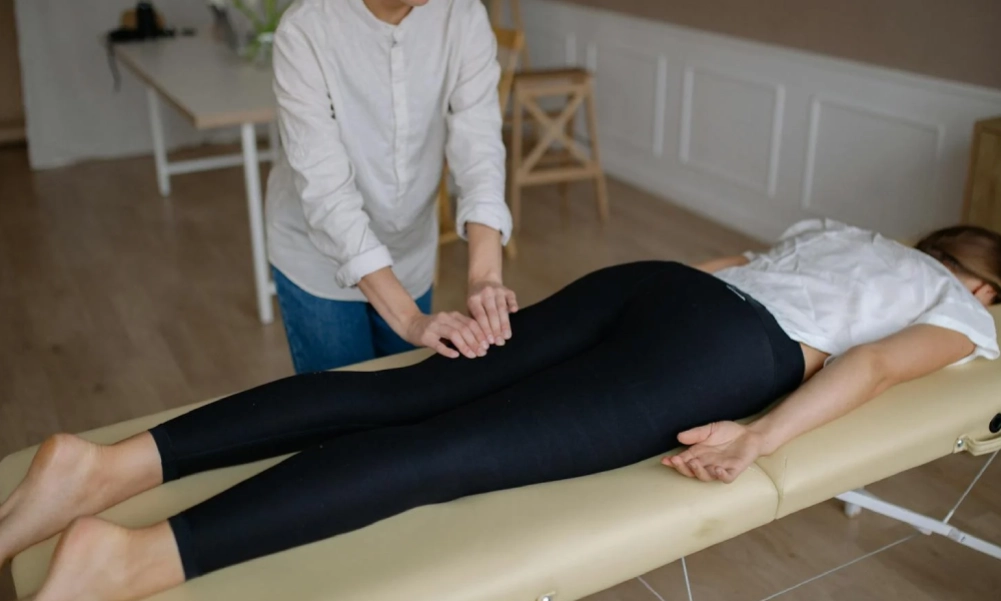
Frozen shoulder recovery improves when care is aligned to stage. The same loading strategy does not fit pain-dominant and stiffness-dominant phases, and mistimed progression can delay results. 1. Pain-Dominant Phase Primary focus should be symptom modulation, confidence-building movement, and gentle range restoration. High-intensity loading too early can increase guarding and reduce adherence. 2. Stiffness-Dominant Phase […]
Key Musculoskeletal Rehabilitation Trends For 2026

Rehabilitation delivery is shifting from generalized exercise advice to measurable, condition-focused pathways. Clinics that integrate assessment, progression logic, and data review are seeing stronger patient consistency and clearer outcomes. 1. From Passive Care To Active Programs Patient education now emphasizes movement confidence, controlled loading, and self-management. This change supports longer-term function instead of short-lived symptom-only […]
Lumbar Spinal Stenosis: Exercise Therapy Versus Surgery Outcomes

For many stenosis patients, the main question is whether to proceed directly to surgery or attempt structured exercise therapy first. The answer depends on symptom severity, neurological signs, and functional limitation. 1. What Conservative Care Can Achieve With consistent protocol-based exercise, many patients improve walking tolerance, lower-limb strength, and confidence in daily activity. Treatment quality […]
From Pain To Prevention: The Patient Journey Through Structured Shoulder Rehab
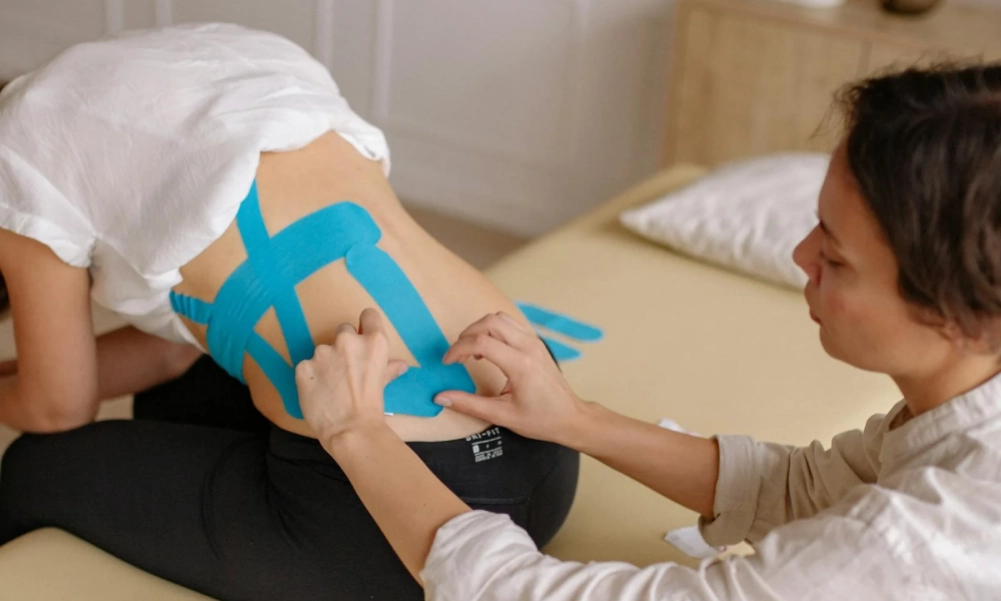
Most shoulder cases do not fail because of one exercise choice. They fail when treatment has no clear stages, no measurable checkpoints, and no progression criteria. A structured program changes that by linking each phase to objective goals. 1. Start With Baseline Clarity Initial assessment should define pain behavior, active and passive range limits, strength […]